If your outdoor furniture cushions are starting to look a little tired, you're not alone. Australia's climate is tough on soft furnishings. Between the intense UV, summer downpours, salt air on coastal properties, and the occasional bird deposit from a passing kookaburra, outdoor cushions take a beating. The good news is that knowing how to clean outdoor cushions properly and keeping up with a few simple habits can add years to their life.
Why Regular Care Matters More Than You'd Think
Most people only think about outdoor cushion care once something goes wrong. A mould patch appears, a stain sets in, or the fabric starts looking flat and faded. By that point, you're already fighting an uphill battle.
Loose dirt and dust are abrasive. Left to sit, grit works its way into fabric fibres and breaks them down from the inside. Add moisture, and you've created the ideal conditions for mildew to take hold. In humid northern states or coastal areas where salt spray is a constant presence, this process happens faster than you'd expect.
A light vacuum or brush-down before use costs you almost nothing but makes a real difference over a season. Cushion House Australia manufactures all outdoor cushions using UV-resistant fabrics and reticulated quick-dry foam (an open-cell construction that allows water to drain through quickly), but even the best materials benefit from consistent care.
Cleaning Outdoor Cushions With Removable Covers
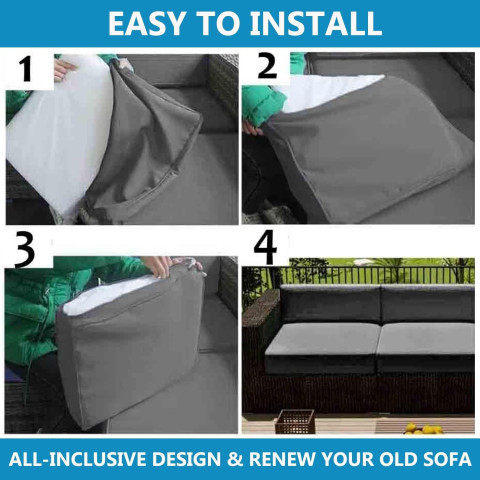
If your patio cushions have zip-off covers, you're in luck. This is genuinely the easiest approach to outdoor furniture cushion cleaning.
Before washing, close the zips and shake off any loose debris. Then machine wash the covers in cold water on a gentle cycle using a mild soap. Avoid hot water, it can shrink fabric or affect UV-resistant coatings. Skip the dryer entirely and air dry in the shade. Direct sunlight while the fabric is still wet can accelerate fading.
As for the inserts, check the care label before doing anything else. Most outdoor foam inserts are hand-rinse only. Submerge gently in clean water with a small amount of mild dish soap, squeeze through, then rinse thoroughly. Stand the insert on its edge to drain and allow it to air dry completely before replacing the cover.
How to Clean Outdoor Furniture Cushions With Fixed Covers
Not all outdoor cushions have removable covers, and that's fine. Cleaning them in place is straightforward once you know the approach.
Mix a small amount of mild dish soap with warm water in a spray bottle. Lightly mist the entire surface, then work across the fabric using a soft bristle brush in small circular motions. Pay attention to seams and piping where grime tends to collect. Once you've scrubbed the surface, rinse with a garden hose on a gentle setting. Don't blast the cushion at high pressure; you want to rinse, not saturate.
Pat off excess moisture with a towel, then stand the cushion on its edge to allow water to drain away from the foam. Leave it to air dry fully in a shaded spot before putting it back on the furniture.
Natural Remedies for Common Aussie Stains
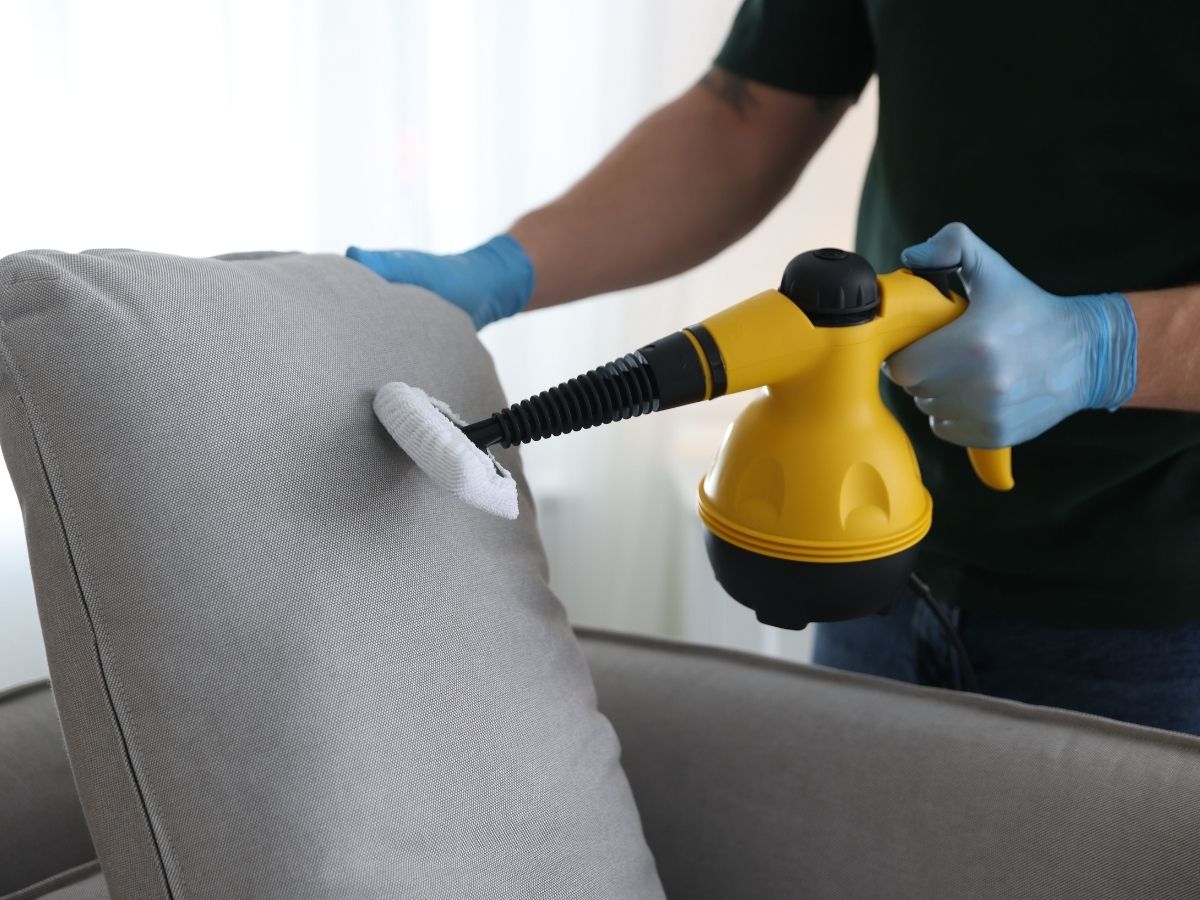
Knowing how to treat stains quickly is the difference between a cushion that recovers well and one that doesn't. Here's what works for the stains that come up most often in Australian backyards.
Mould & mildew
Mix equal parts white vinegar and clean water in a spray bottle. Apply to the affected area, leave it for a few minutes, then scrub gently with a soft brush and rinse. A vinegar solution is effective on mildew without being harsh on most fabrics. This will typically result in removing mould from your outdoor cushions.
Bird droppings & tree sap
Let it dry first, then gently scrape away the bulk with a blunt edge. Follow up with a drop of dish soap on an old toothbrush, working in small circles over the affected area. Rinse with clean water.
Oil stains and sunscreen
Sprinkle cornstarch over the fresh stain and leave it to absorb the oil. Once it cakes up, brush it away. A baking soda paste applied to any remaining mark will help lift the residue before you rinse clean.
Stubborn mildew that won't budge
If your fabric is bleach-safe (check the care label first), a very diluted oxygen bleach solution can be applied for a short period, followed by a thorough rinse with clean water. For inserts that remain musty after surface treatment, professional upholstery cleaning is worth considering.
Drying Properly: The Step Most People Rush
This is where a lot of good cleaning work gets undone. Putting cushions back into storage, or back onto furniture, while any moisture remains inside the foam is the most common cause of mould problems.
Stand cushions on their edge rather than laying them flat. Unzip covers slightly to allow air to circulate through the insert. If you're drying several at once, rotate them during the day so all sides get exposure. Once the surface feels dry to the touch, give the foam another hour or two before storing, it holds moisture longer than the cover suggests.
Avoid prolonged direct sunlight once the surface is dry. At that point, the UV exposure does more harm than good for fabric longevity.
Protecting Your Cushions Season to Season
Apply a fabric protector spray at the start of the warm season. This creates a water-repellent barrier that makes ongoing outdoor cushion care much easier, as spills bead up rather than soaking straight through.
When cushions aren't in use for extended periods, store them in breathable storage bags or a covered outdoor bench. Sealed plastic containers trap humidity, so leave some airflow. If you're in a coastal area, a quick rinse with fresh water after particularly salty days helps prevent salt crystals from drawing in moisture and encouraging mildew.
Rotating and flipping your cushions regularly also helps distribute wear and UV exposure evenly so no single spot fades faster than the rest.
When Cleaning Isn't Enough
Even with good care, outdoor cushions don't last forever. If your foam has lost its shape and no longer provides support, if the fabric is thinning or has developed holes, or if mildew has penetrated deep into the insert and won't clear with cleaning, it's worth looking at replacement options rather than continuing to battle with a cushion that's past its best.
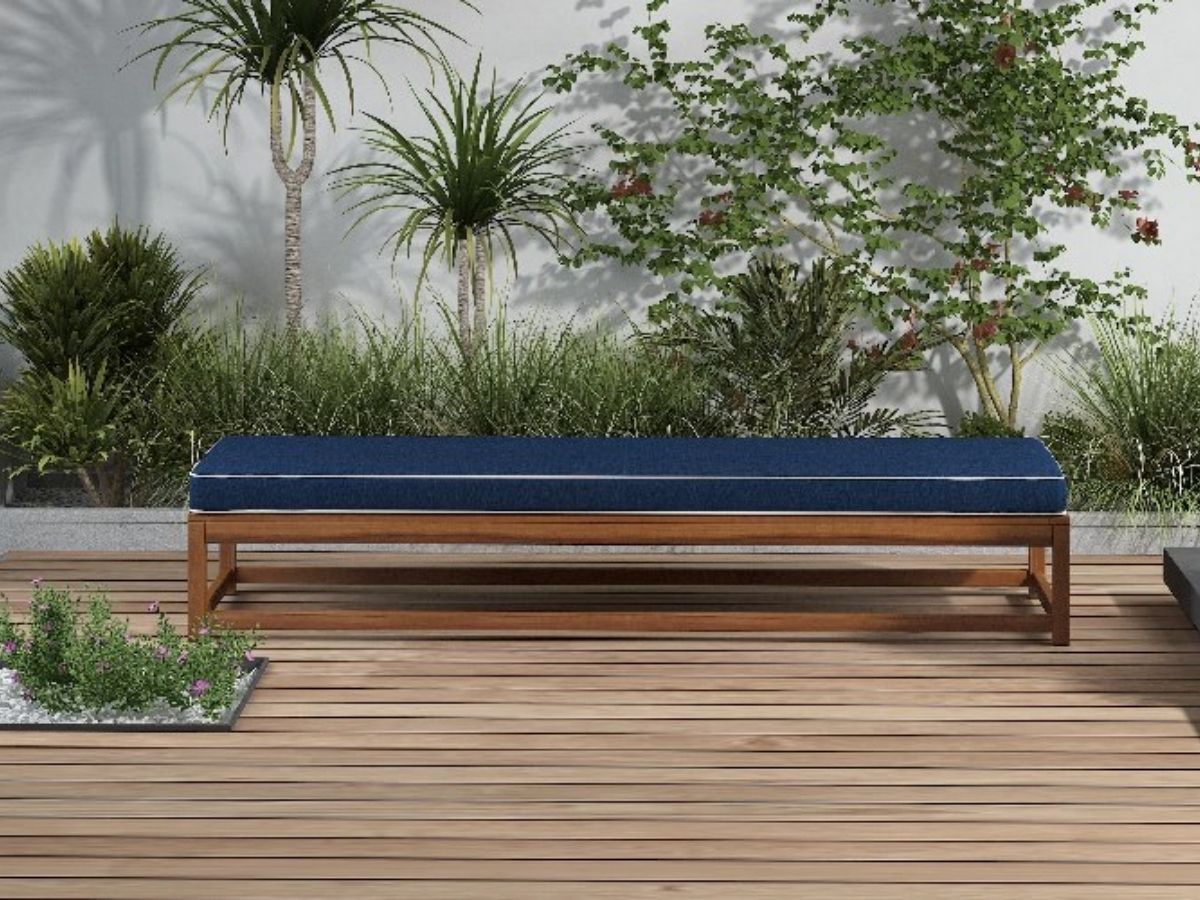
Our custom outdoor bench seat cushions are made with reticulated quick-dry foam and UV-resistant fabrics rated to up to 98% UV protection, and every cushion comes with a lifetime workmanship guarantee. They're built for exactly the conditions described throughout this article.
Frequently Asked Questions
Can outdoor cushions be left outside in the rain?
Most outdoor cushions made with quick-dry foam and water-resistant fabrics can handle occasional rain. That said, prolonged exposure to wet conditions, particularly in humid climates, increases the risk of mould forming inside the foam. Bringing cushions undercover during extended rain or overnight is a good habit to develop.
What's the safest way to remove mould without damaging fabric?
A solution of equal parts white vinegar and water is the gentlest and most effective starting point. Apply, allow a few minutes of dwell time, scrub lightly with a soft brush, and rinse thoroughly. Avoid harsh chemical bleaches unless the care label confirms the fabric is bleach-safe, and even then, use a very diluted oxygen bleach rather than chlorine bleach.
Is a pressure washer okay for outdoor cushions?
Generally, no. High-pressure water forces moisture deep into the foam and can damage fabric fibres or stitching. A garden hose on a gentle setting gives you enough rinse power without the risk.
How do I clean cushions that don't have zippers?
Use the fixed-cover method: a spray bottle with mild dish soap and warm water, a soft bristle brush, a gentle hose rinse, and plenty of drying time. You can also spot clean with a damp sponge for smaller marks.
How long should cushions air-dry before storage?
Allow at least several hours after the surface feels dry to the touch. Foam retains moisture well past when the cover appears dry to the touch, so erring on the side of more drying time is always the safer choice. Standing the cushion on its edge and unzipping the cover slightly speeds up the process.
What's the best foam for outdoor cushions in humid areas?
Reticulated quick-dry foam is ideal for humid and coastal climates. Its open-cell structure allows water to drain through rather than pooling inside the cushion. All Cushion House Australia outdoor cushions use this foam type specifically for Australian conditions.